How I Got Here
I didn't plan to become a medical advocate. I planned to make art, study what people wear and why, and keep building the life I'd spent twenty years constructing in New York — a life that looked nothing like the one my Soviet immigrant parents imagined for me.
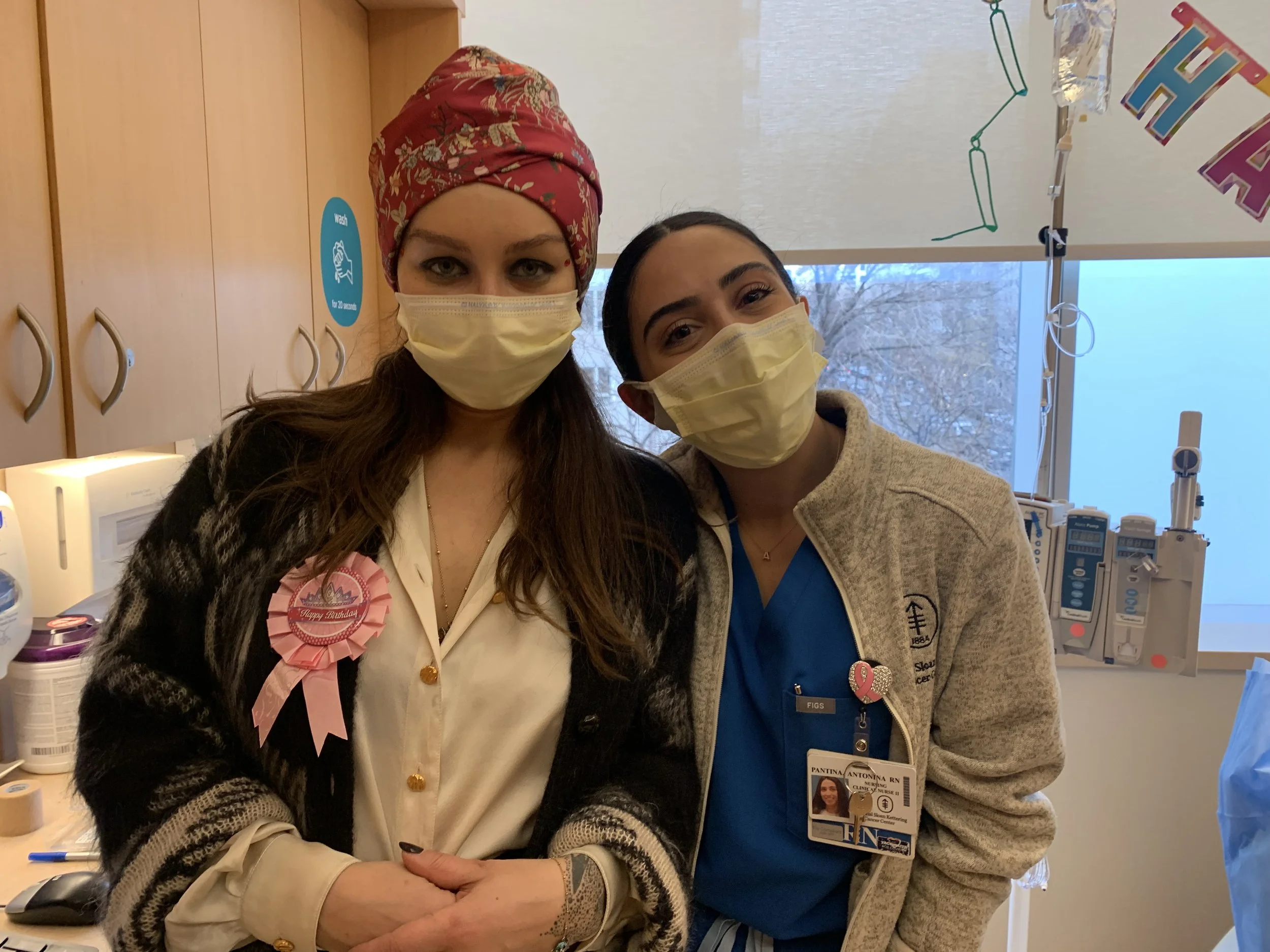
Then, at 39, I was diagnosed with triple negative breast cancer. I had access to some of the best physicians in the world. What I didn't have was someone to help me understand what they were telling me. I found out my diagnosis through a MyChart notification before my doctor ever called. Just words on a screen — "Breast Carcinoma" — and no one to explain what they meant for my life.
I spent the following weeks making phone calls before 9 AM, navigating insurance, coordinating between specialists who didn't talk to each other, and trying to understand a language I'd never been taught. Managing my diagnosis became a second full-time job. I was exhausted, overwhelmed, and doing it largely alone — until I found a patient advocate who changed everything. She showed up exclusively for me. Her only job was to go to bat for me, and she did.
That experience stayed with me. And it was only the beginning.
Within the year, I was on a flight from JFK to SeaTac to serve as medical proxy for my mother's emergency brain aneurysm surgery. I monitored her labs through MyChart from three thousand miles away, researched the difference between coiling and clipping through late-night conversations with physician friends, and held her on the bathroom floor of my parents' house in Seattle, walking her through breathing exercises in Russian while we waited for the paramedics.
Less than a year after that, I was back in Seattle — this time for my father's pancreatic cancer diagnosis. I sat beside him through chemotherapy, navigated end-of-life decisions with his palliative care team, and was in the room when he took his last breath.
I founded Alia Advocacy because no one should have to navigate the worst moments of their life without a guide. What I bring to this work is not clinical — it's experiential. I've been the patient, the caregiver, the proxy, and the daughter on the red-eye. I know what it feels like when the system fails you, and I know what it feels like when someone shows up to help.
Alia means "others" in Latin — the outsider, the one who sees the system clearly because she was never trained to accept its limitations. That perspective is the most valuable thing I bring into the room.